
Close
Udawalawe National Park, located in the southern part of Sri Lanka, is an awe-inspiring haven for wildlife lovers, offering rich biodiversity and a unique birdwatching experience. Famous for its vast elephant herds and stunning landscapes, Udawalawe is also an undiscovered paradise for birdwatching enthusiasts. This park is home to over 200 species of birds, including both endemic and migratory species, making it one of the best birding spots on the island.
Whether you are a seasoned ornithologist, an avid birdwatcher, or just a nature enthusiast, Udawalawe National Park offers an unforgettable opportunity to observe a diverse range of birds in their natural habitats. From towering storks to elusive junglefowl, the park is a birdwatcher’s dream, offering a pristine environment to explore.
Udawalawe National Park spans 30,821 hectares, and is situated between the Sabaragamuwa and Uva provinces. Its unique dry-zone ecosystems, which include vast grasslands, scrub forests, wetlands, and riverine environments, create a perfect habitat for numerous bird species. The park is also located along major migratory routes, making it a critical stopover for birds traveling across the Indian subcontinent.
The topography and climate of Udawalawe foster the growth of a diverse flora, providing the perfect foraging grounds for a wide variety of bird species. These range from wetland birds to forest dwellers, providing birdwatchers with an extensive array of species to observe.
One of the main attractions of Udawalawe is its abundant and varied birdlife. Over 200 species of birds have been recorded in the park, including migratory species, forest birds, waterfowl, and raptors. The park’s diverse environments—from grassy plains to wetlands—offer perfect conditions for birds to thrive. Birdwatchers can expect to see species such as:
Sri Lanka Junglefowl (Gallus lafayettii) – Sri Lanka’s national bird, which can be spotted in the dense scrublands of Udawalawe. The male is particularly striking, with its vibrant plumage.
Indian Peafowl (Pavo cristatus) – The colorful and majestic peacock is occasionally spotted within the park, usually in its natural forest habitat.
Black-necked Stork (Ephippiorhynchus asiaticus) – A tall, elegant bird often seen around the park’s water bodies, particularly near the Udawalawe Reservoir.
Ceylon Small Barbet (Megalaima rubricapillus) – An endemic species found only in Sri Lanka, the Ceylon Small Barbet is often found perched in the forest canopy.
Painted Stork (Mycteria leucocephala) – A striking bird known for its bright, multicolored plumage, it can be seen around the wetland areas.
Purple Heron (Ardea purpurea) – Elegant and elusive, purple herons are often seen wading in the shallow waters of the park’s lakes and reservoirs.
Peregrine Falcon (Falco peregrinus) – Known as the world’s fastest bird, the peregrine falcon is a rare yet exciting species to spot in Udawalawe.
Other notable species include various species of egrets, kingfishers, cuckoos, and warblers. The park is particularly attractive to migratory birds, which visit the area during the winter months.
Birdwatching in Udawalawe is a year-round activity, but the best time to visit is during the migratory season, which runs from November to April. During this period, many migratory species, including waterfowl, waders, and raptors, flock to the park, making it a birdwatching haven. The dry season, from March to June, is another ideal time to visit, as the weather is less humid and the birds are more easily spotted.
However, birdwatching can also be rewarding during the monsoon season (from May to October), when the park becomes lush and vibrant, and many resident birds are actively nesting or raising their young. The early morning hours (6:00 AM to 8:00 AM) and the late afternoon (4:00 PM to 6:00 PM) are the best times for birdwatching, as these are the periods when birds are most active.
Udawalawe National Park offers various birdwatching hotspots, each of which attracts different bird species. Here are the top places to visit within the park for an exceptional birdwatching experience:
The Udawalawe Reservoir is one of the prime birdwatching spots in the park. Surrounded by wetlands, it is a gathering place for many water birds, such as egrets, storks, herons, and cormorants. The calm waters and surrounding vegetation create an ideal setting for observing waterfowl and shorebirds.
Flowing through the park, the Walawe River is another excellent spot for birdwatching. The riverbanks are home to various species of kingfishers, herons, and waders. Early mornings along the river can provide fantastic views of birds feeding or resting on the river’s banks.
Located on the outskirts of the park, Sivurimala Sanctuary is a haven for forest-dwelling bird species, including many endemic varieties. The sanctuary’s thick forest canopy offers shelter for birds like the Ceylon Small Barbet, Yellow-fronted Barbet, and Malabar Pied Hornbill. Birdwatching here is more challenging but rewarding, with rare species hiding amongst the dense foliage.
The grasslands of Udawalawe are home to a variety of raptors, such as the Indian Eagle and Black-shouldered Kite, which hunt in the open fields. These areas are also perfect for spotting the Sri Lanka Junglefowl, which feeds on the ground, as well as migratory species like the European Roller.
Udawalawe’s dry-zone forests are crucial for many endemic species. The dense vegetation provides shelter for a wide variety of birds, including the Indian Peafowl and Brown-capped Pygmy Woodpecker. This part of the park also offers the chance to spot rare forest-dwelling species, making it a must-visit area for any birdwatcher.
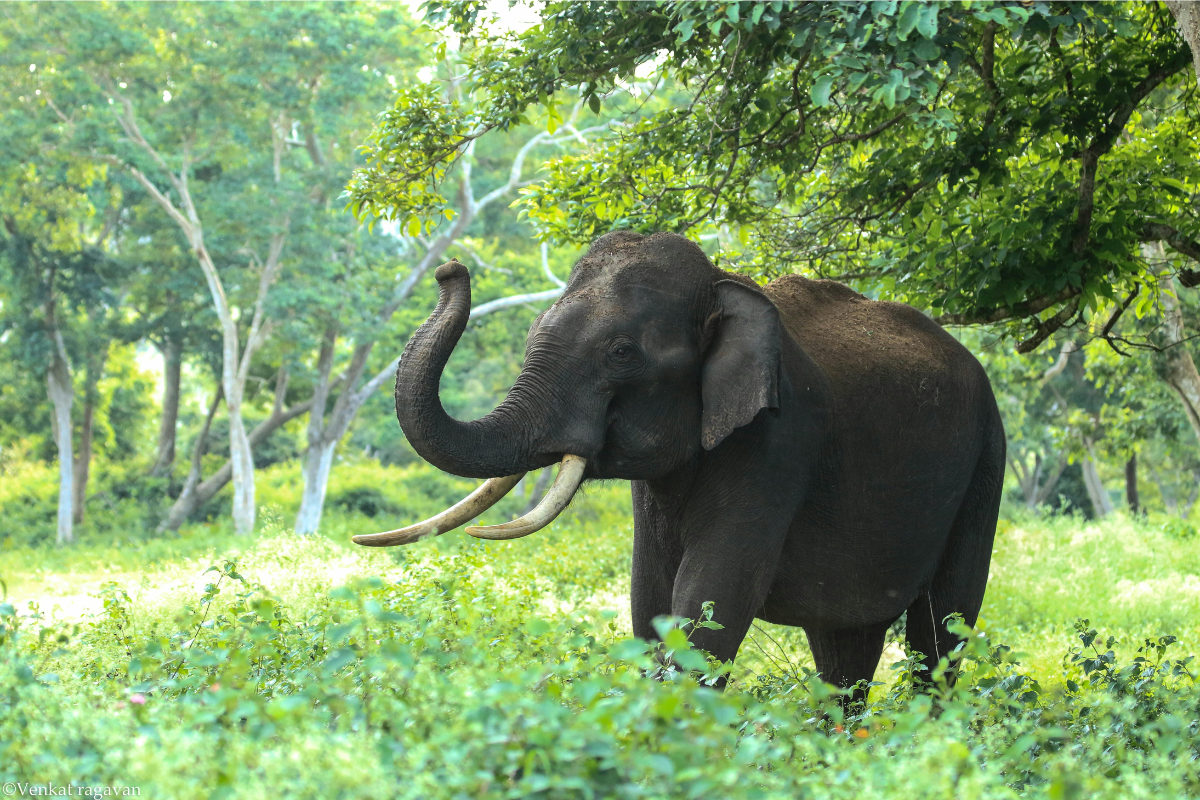
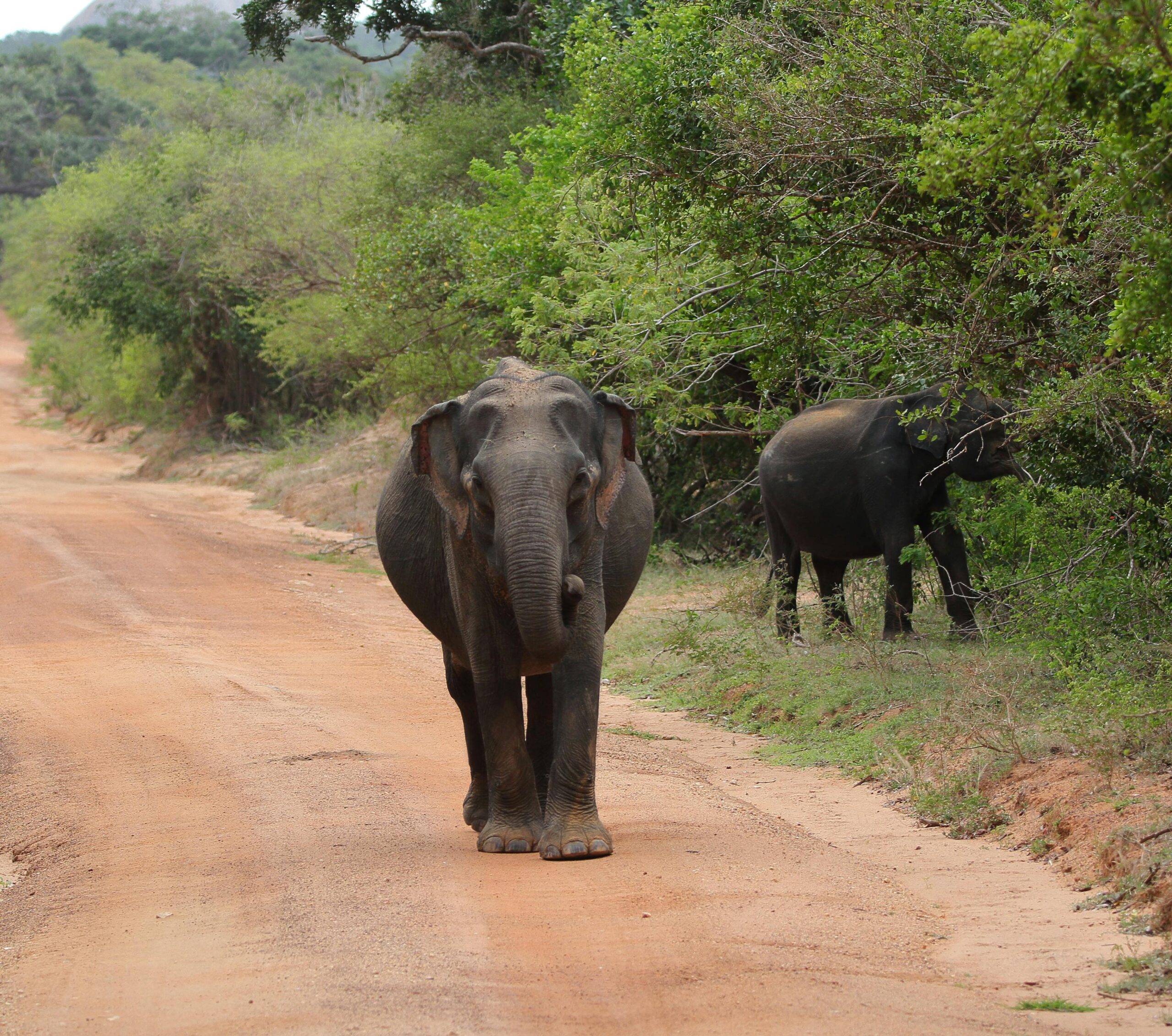
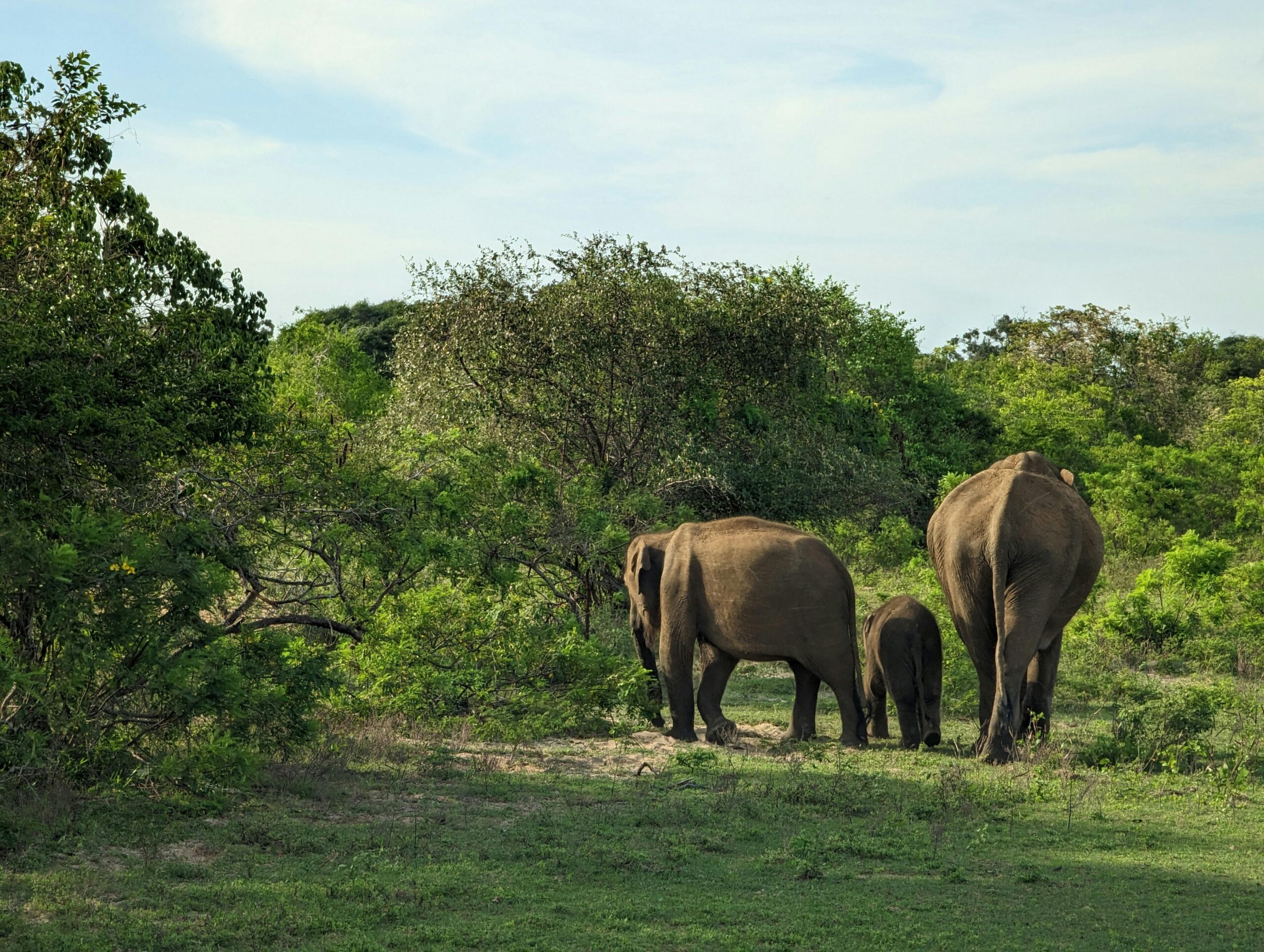
Udawalawe is not only an important tourist destination but also a critical site for conservation. The park is home to several threatened and vulnerable species, including the Sri Lankan elephant and the Ceylon grey hornbill, both of which depend on the park’s unique ecosystem for survival.
Conservation efforts in Udawalawe are supported by both the government and several environmental organizations. One such organization, the Sri Lanka Wildlife Conservation Society (SLWCS), plays a crucial role in protecting the park’s biodiversity. They work on research, conservation education, and community outreach to ensure that both wildlife and local communities benefit from sustainable eco-tourism.
As a birdwatcher, you can contribute to conservation efforts by following the park’s guidelines, minimizing disturbance to the wildlife, and supporting eco-friendly tourism initiatives.
Hire a Local Guide: For a more rewarding experience, it’s advisable to book a guided birdwatching tour. Local guides are knowledgeable about the park’s bird species, their behaviors, and the best spots for sightings.
Binoculars and Cameras: Bring binoculars for a closer look at distant birds, and don’t forget your camera to capture the moment.
Respect Nature: Follow the park’s rules, such as staying on designated trails and avoiding loud noises that could disturb wildlife.
Clothing: Wear neutral-colored clothing to blend in with the surroundings. Avoid bright colors that may scare the birds.
Field Guide: A field guidebook on Sri Lankan birds will help you identify species and enhance your birdwatching experience.